Project 03, Mobile App Design
FitMyLife
Redesigning a health and fitness app built on metabolic and nutritional science, untangling a clouded user flow and outdated UI to deliver a personalised, research-driven experience users actually want to come back to.
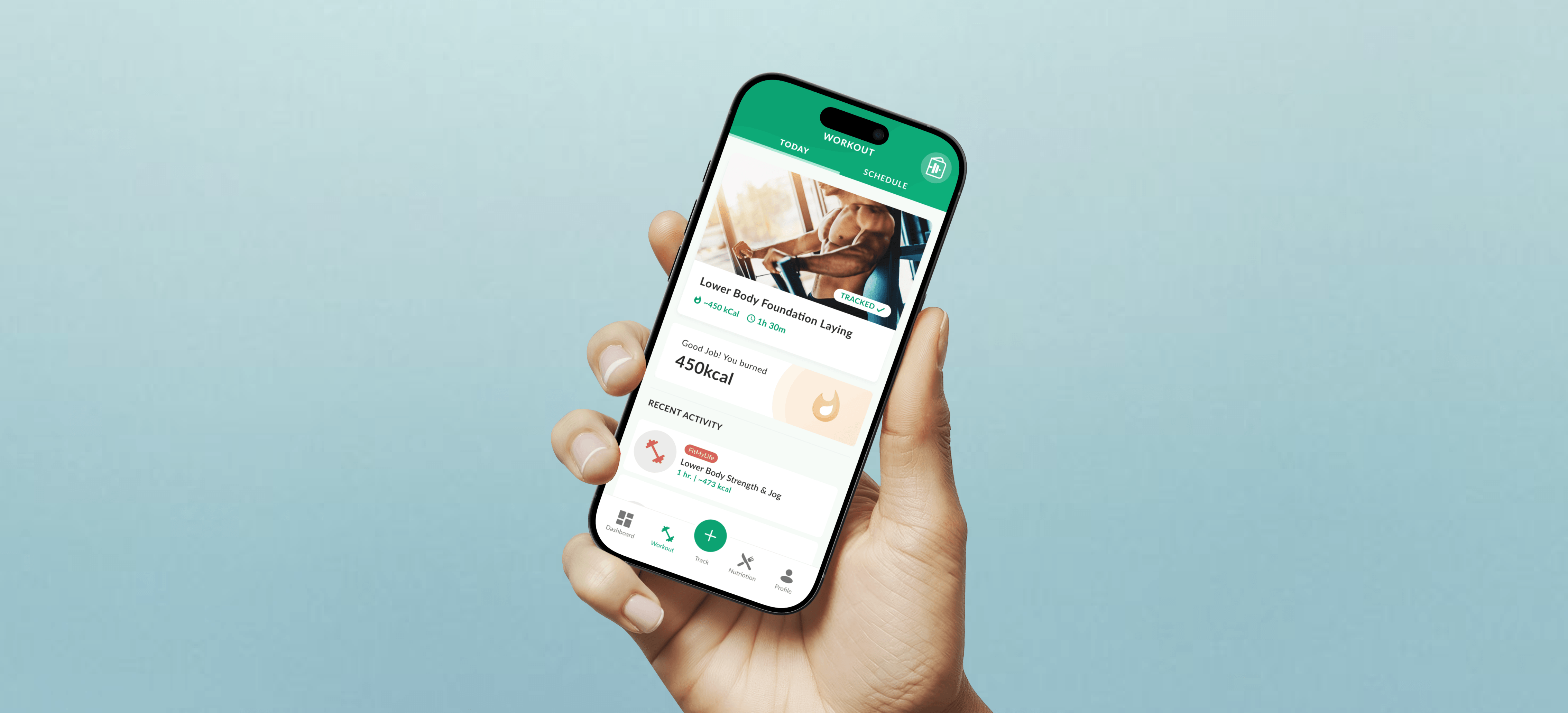
01, Overview
Science-Backed Fitness, Reimagined for Real People
FitMyLife is a cutting-edge mobile app that applies in-depth metabolic and nutritional science to help users reach their fitness goals. The app learns and adapts to each user's behaviour and body composition, creating a personalised fitness and meal plan optimised for results.
As Product Designer, I led the entire design process, from research and competitive analysis through to wireframes, prototypes, and developer collaboration, conducting both qualitative and quantitative research to ground every decision in evidence.
02, The Problem
A Great Product Hidden Behind a Poor Experience
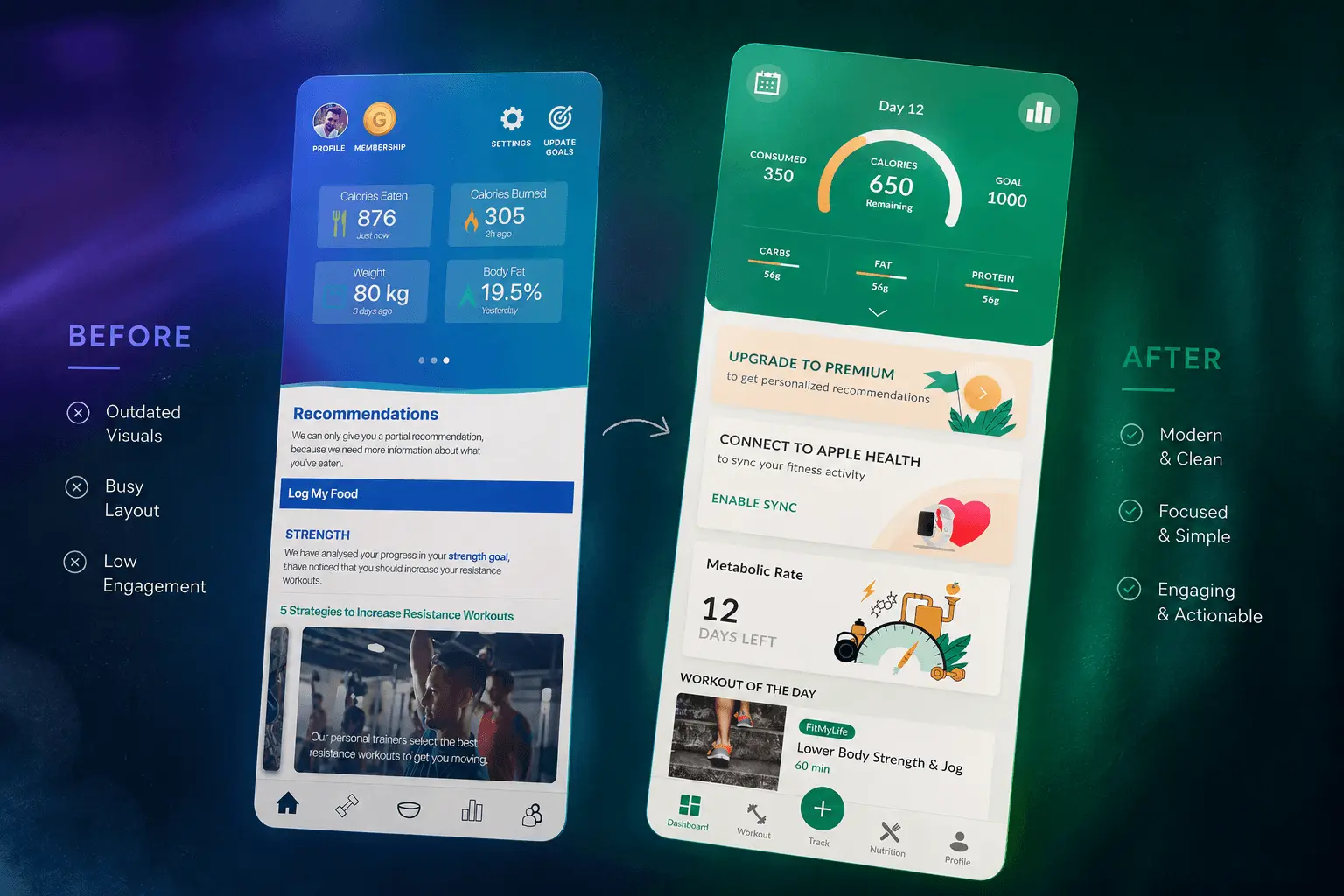
The app had a clouded user flow, multiple usability issues, and an outdated interface. Compounding this, a pre-existing development framework with significant constraints meant every design decision had to be carefully managed to reach proper implementation.
3
core problem areas: unclear user flow, usability violations, and a rigid technical framework
2×
research stages, competitive analysis of similar apps plus in-depth analytics review of existing data
5+
usability testing participants in initial Rainbow Spreadsheet sessions identifying behavioural patterns
Clouded User Flow
The existing app had an unclear, confusing navigation structure, users couldn't easily understand where they were or where to go next, causing drop-offs at critical points in the funnel.
Usability Issues & Outdated UI
Multiple usability violations across the product combined with a dated visual language eroded user confidence and made the experience feel unreliable.
Technical Constraints
A pre-existing development framework imposed significant design limitations, every decision had to balance user needs with implementation feasibility to reach proper delivery.
03, The Solution
Research First, Design Always
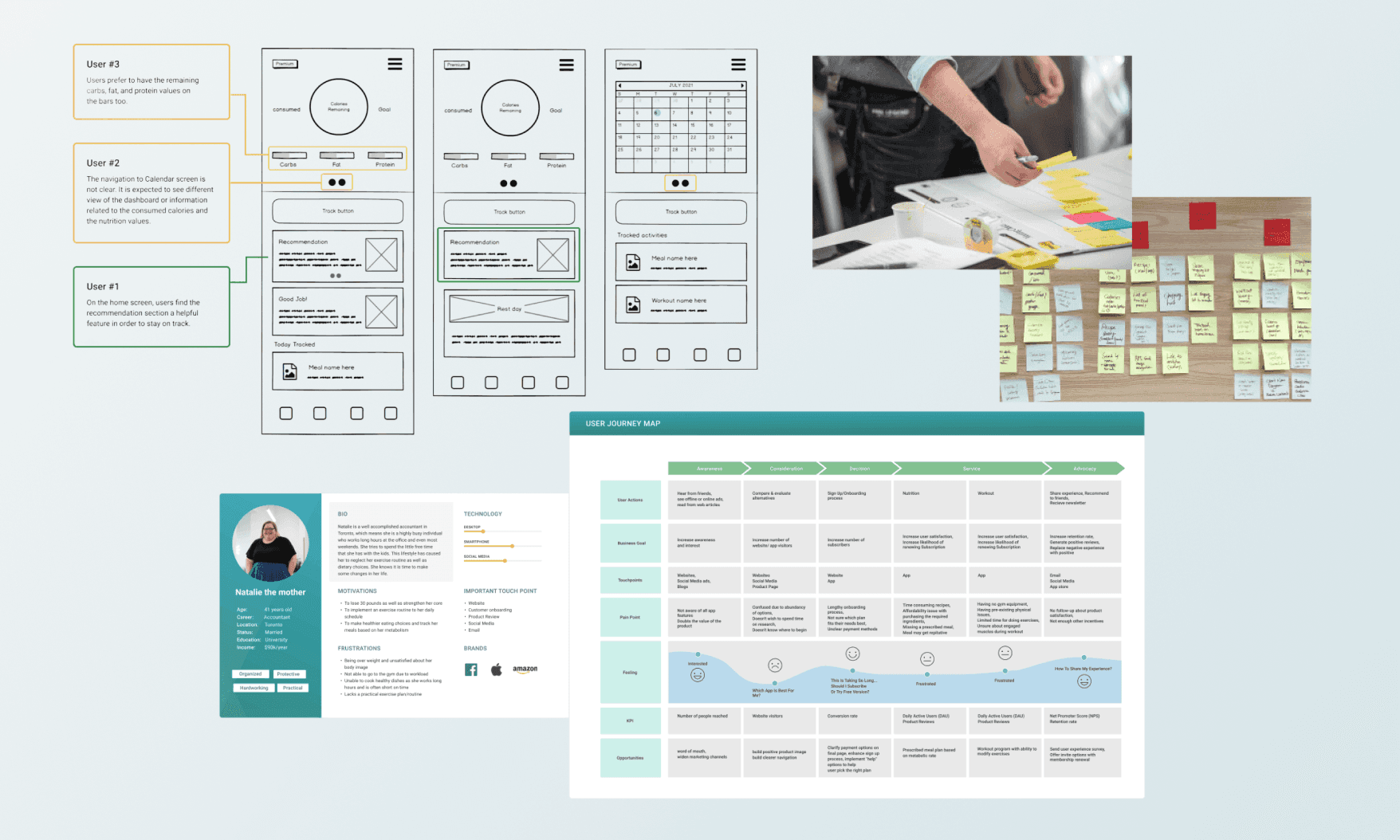
The process combined Lean UX and Design Thinking into an ongoing, iteration-dependent workflow built on measurable goals. Research was the backbone, from stakeholder workshops and competitive analysis to heuristic audits and data-driven usability testing, ensuring every design decision was grounded in evidence, not assumption.
Lean UX + Design Thinking
Combined both methodologies into an iterative, research-first process built on measurable goals, allowing rapid cycles of learning, designing, and validating.
Multi-Method Research
Competitive analysis, analytics review via Kochava, stakeholder workshops, and Rainbow Spreadsheet testing gave a 360° view of user behaviour and product gaps.
Heuristic UX Audit
A structured evaluation using Nielsen Norman Group's 10 Usability Heuristics with 3 expert evaluators uncovered critical issues to prioritise before redesign.
Iterative Prototyping
Low and high-fidelity prototypes built in InVision, validated with real users at each stage, ensuring the onboarding flow was desirable, clear, and developer-ready.
04, Final Design & Outcome
Measured, Iterated, Delivered
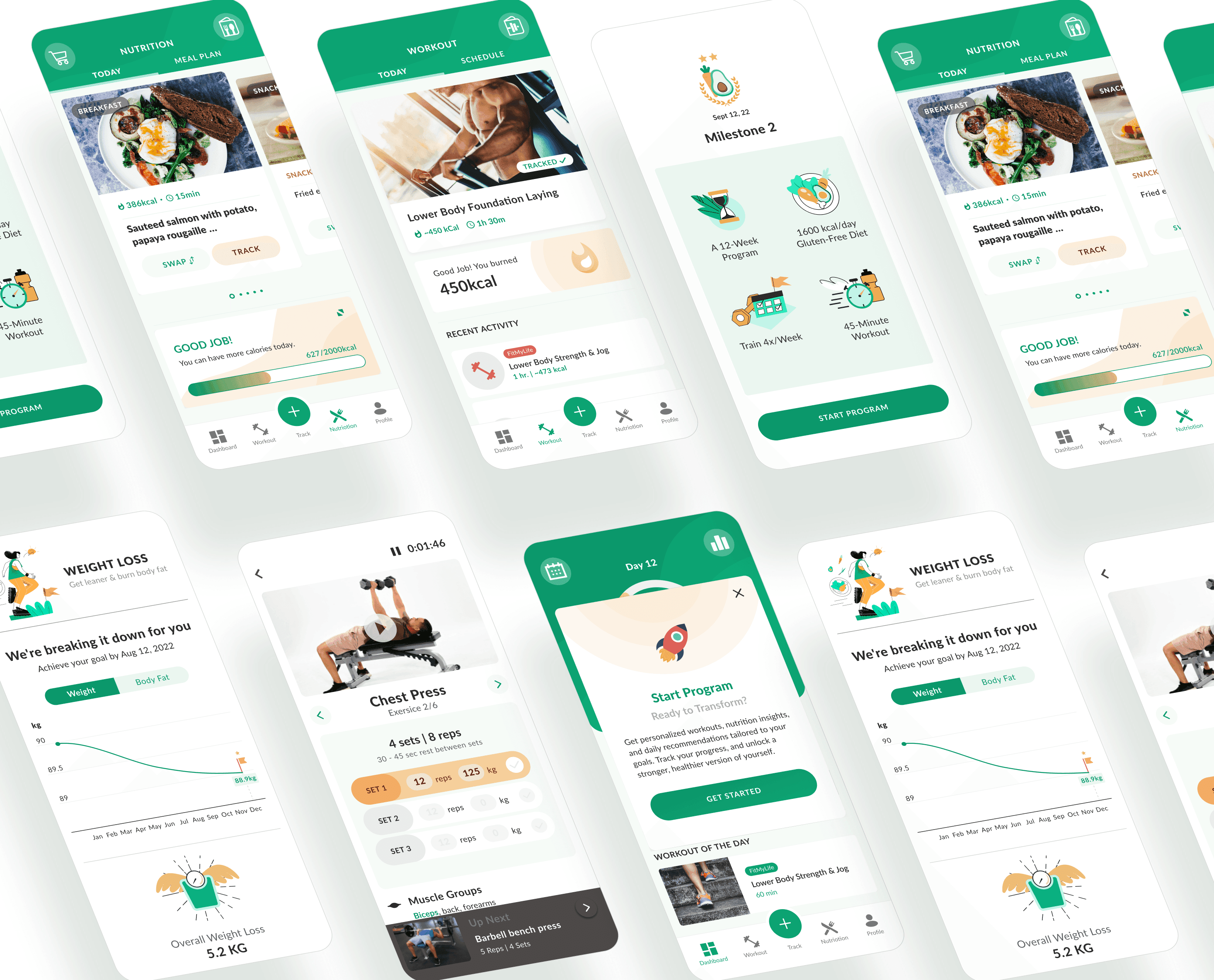
Post-launch performance was tracked continuously through Kochava, monitoring CTR, CVR, Success Rate, and Daily Active Users. Each iteration cycle pinpoints usability issues from live data, prioritises them by severity and impact, and feeds directly into the next design sprint.
0%
↑Increase
in Conversion
0%
↑Increase
in Retained Users
0%
↑Increase
in Newsletter Subscription
0%
↓Decrease
in Loading Times
Tracked in Kochava against the pre-redesign baseline over the first post-launch cycle. Conversion and retained users were the primary targets; the loading-time reduction was a build-quality win delivered jointly with engineering.
“A new iteration is always underway, pinpointing usability issues from real data, prioritising by severity and impact, and building a better experience with every cycle.”